Six Strategies for Engaging Rural Communities in Teen Pregnancy Prevention Research and Programming
This brief outlines practical approaches for engaging rural communities in teen pregnancy prevention research and programming.

The partner stage is the foundation of CEnR. Strong partnerships ensure that research is relevant, respectful, and beneficial to the community. Ideally, these partnerships begin before research questions are developed, allowing community voices to shape the direction of the work. This stage involves:
By prioritizing relationship-building early, researchers and community partners can collaborate effectively to design research that is impactful and aligned with community needs.
The first step in the partner stage is to identify who should be involved in the research. Partners might include schools, community-based nonprofits, neighborhood associations, health clinics, youth centers, or faith-based organizations. If researchers are unsure who to partner with on a research topic, they could try the following:
When identifying partners, it is essential to understand the community’s context, including its history, values, and traditions. Without such context, research efforts may feel disconnected or even cause harm. To build contextual understanding, researchers can:
Researchers should also consider partners’ capacity and interest in a long-term collaboration. While funding constraints may limit early partnership development, researchers should initiate conversations as soon as possible. Asking partners to sign letters of support or providing them with outreach materials can help formalize engagement.
A successful CEnR project requires clear roles, shared expectations, and inclusive engagement processes between researchers and community partners. Establishing these elements early strengthens collaboration, ensures accountability, and enhances the project's impact.
To maintain strong partnerships, researchers and community partners should define:
Developing group norms—such as expectations for collaboration, communication, and feedback—helps ensure that all voices are heard and valued. To formalize these agreements, researchers and community partners can:
For engagement to be meaningful, participation must be flexible and accessible. Strategies to support flexible engagement include:
By defining roles, expectations, and engagement processes from the outset, researchers and community partners create a strong foundation for working together, ensuring that the research is both actionable and meaningful to those it seeks to serve.
Before CEnR projects can formally begin, researchers and their partners must secure adequate funding to support collaboration. It is critical to identify funders who align with CEnR values and ensure that budgets include funding for:
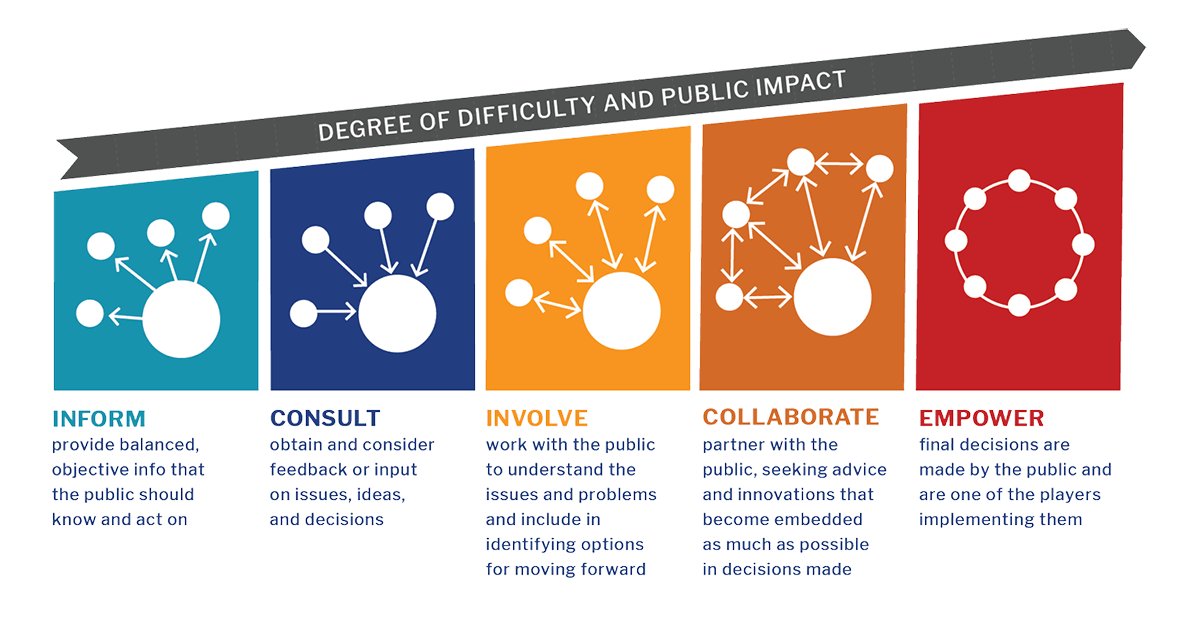
Funding needs will vary depending on the level of engagement:
Researchers should familiarize themselves with institutional policies on payments to community partners—such as honoraria, consultant contracts, or stipends—to ensure smooth implementation.
A group of researchers is studying how agricultural policy changes affect rural farming communities. They want to share what they’ve learned with local farm bureaus and cooperatives to help farmers advocate for policies that support sustainable land use and economic stability. Although the researchers led the study, they have set aside funds to hold community presentations.
To connect with the community, the researchers reached out to trusted local leaders to host the events. They provided these leaders with flyers and other materials to help spread the word. The presentations start with an icebreaker, where attendees introduce themselves and talk about how agricultural policy changes have affected their lives. The group then discusses how they can improve agricultural regulations and resources.
Before presenting their findings, the researchers work with the participants to identify shared recommendations for improving agricultural regulations and resources. After the presentation, they facilitate a discussion to encourage community members to share their thoughts and ideas with policymakers.
At this stage, researchers and community partners work together to build trust, define shared goals, and clarify roles. A strong partnership doesn’t happen overnight; it requires ongoing communication and flexibility. Securing funding or signing a contract is just the beginning. To create a lasting and effective collaboration, other key activities in the partner stage include the following:
These steps help ensure that research is done with the community, rather than for or about them. By working together from the start, both researchers and community partners can make sure that the research leads to meaningful action.
Explore our partner stage reflection questions to help you build and sustain strong collaborations throughout your CEnR project.
These resources provide practical tools and insights to support your work during the partner stage of your CEnR project. Resources are organized by project, with each project labeled according to where it generally falls on the CEnR spectrum. This structure helps you quickly identify relevant examples and guidance that align with your approach.