Six Strategies for Engaging Rural Communities in Teen Pregnancy Prevention Research and Programming
This brief outlines practical approaches for engaging rural communities in teen pregnancy prevention research and programming.

The share stage communicates research findings in ways that are accessible, meaningful, and useful. At this stage, researchers and community partners work together to decide who the findings should reach, how to present them, and how they can be used to support change. Sharing is not just about reporting results; rather, it is about honoring contributions, supporting action, and making information available to those who are most affected. This stage includes the following:
Approaching sharing as a joint process ensures that findings are not only understood but also used to support the research’s intended impact.
In CEnR, identifying your audiences is a shared process. Researchers and community partners work together to decide who needs to know about the research findings and how they might use them. These conversations should focus on questions such as the following:
Together, you might identify audiences such as:
When partners choose audiences together, they can prioritize what information is shared and ensure that findings are used—not just published.
Once you have identified your audiences, the next step is to decide on formats and strategies for presenting findings that are accessible, engaging, and community-centered. Community partners can help guide which formats and platforms work best, based on what is familiar, trusted, and easy to access.
Together, consider sharing through:
Also think about how you will present your findings. Co-presenting with community partners, whether at a local event or national conference, centers their expertise and builds trust and credibility. The more you tailor your sharing strategy to the community’s needs and preferences, the more likely your findings will be heard, understood, and used.
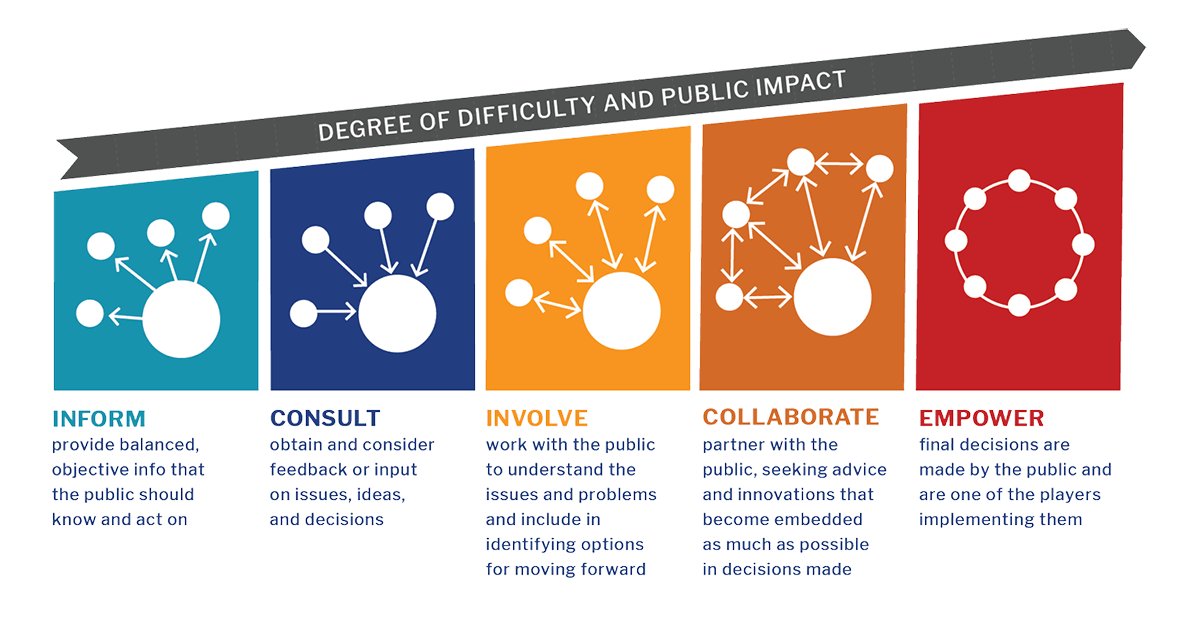
Materials should reflect the community’s voice and credit everyone who contributed to the research. How you develop these materials depends on the level of community engagement throughout the project:
Regardless of your approach, keep these principles in mind to make materials clear and community-centered:
Before finalizing anything, be sure to ask for feedback from community partners:
You can gather feedback through informal conversations, focus groups, or short surveys. Be open to making changes based on what you hear.
Another important part of developing materials is recognizing authorship and credit. Talk early and openly about the following:
Not everyone will want formal authorship. Some may prefer to be acknowledged in a flyer, video, or project celebration. The key is to ask, not assume.
Sharing findings is not just about telling people what happened. It is also about helping the community use the findings to create change. After sharing, check in with your partners to ask:
From there, you might work together to do the following:
As you take action, stay in touch and keep checking in:
Action does not always happen all at once. Even starting the conversation can be a meaningful step. Celebrate small wins and keep showing up so that the findings continue to guide and support lasting change.
A rural, youth-led coalition examines barriers to vocational training and job opportunities in their community. After analyzing the data with support from researchers, the coalition focuses on sharing the findings in ways that can create change. Youth members identify key audiences—including school board members, local employers, and students—and work with researchers to plan how best to reach them.
Together, they co-develop materials like a policy brief, a short video, and infographics. The research team provides support with plain language writing and presentation skills, while community members offer feedback to make sure the messages reflect local experiences and priorities.
The coalition presents the findings at a school board meeting, a community forum, and a regional workforce event. At each, youth share both the data and their personal experiences to highlight the need for more school-based trade programs and better access to training opportunities. Researchers assist behind the scenes, helping refine materials and amplify the message.
By centering youth voices, building communication skills, and using multiple formats, the team makes the research findings useful and action-oriented for their community.
The share stage turns findings into tools for communication, reflection, and action. Sharing results in ways that are accessible, accurate, and meaningful helps ensure that research reaches the people who can use it. In CEnR, partners should shape what is shared, how it is shared, and with whom. The level of engagement may vary, but all CEnR projects should create space for collaborative decision making and recognition during this stage. Key activities during share include the following:
By approaching the share stage as a joint process, research teams help build ownership, spark change, and ensure that findings do not stay on paper, but move into the real world where they can make a difference.
Explore our share stage reflection questions to help you communicate your findings from the CEnR project.
These resources provide practical tools and insights to support your work during the share stage of your CEnR project. Resources are organized by project, with each project labeled according to where it generally falls on the CEnR spectrum. This structure helps you quickly identify relevant examples and guidance that align with your approach.