





Lessons Learned From the 2025 Syphilis Solutions Summit
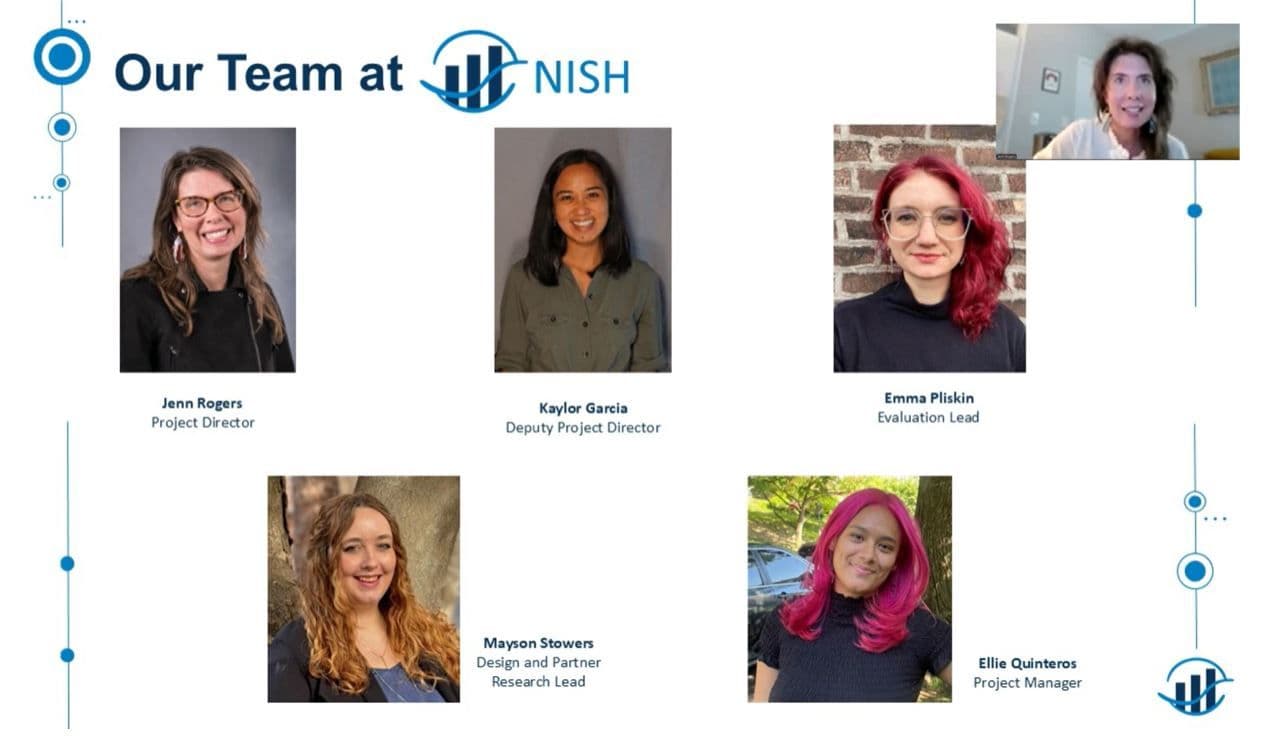
The 2025 Syphilis Solutions Summit—hosted by Child Trends’ New Insights in Sexual Health (NISH) team—provided a virtual platform to address rising rates of syphilis and congenital syphilis nationwide. The event spotlighted an innovative, statewide approach presented by Mallory Jayroe, the infectious disease epidemiology section chief and SET-NET coordinator from the Arkansas Department of Health. Participants gained practical strategies to help reduce syphilis and congenital syphilis in their communities.
Watch the Recording
The webinar recording is free and available for maternal and child health professionals, community health workers, and anyone committed to protecting the health of parents, families, and babies. Whether you are experienced in STI prevention or just getting started, this session provides actionable strategies to strengthen your community’s response to syphilis and congenital syphilis and take meaningful steps toward curbing this crisis.
 Play video
The webinar highlighted several resources from the Centers for Disease Control and Prevention (CDC), the Arkansas Department of Health, and NISH. You can find the list of these resources below:
- State Prenatal Syphilis Screenings Laws and Regulations
- STI Statistics (from CDC)
- County-level Syphilis Data
- Impact of COVID-19 on STIs
- Talk about STIs videos
- Arkansas Perinatal Quality Collaborative initiatives
- Arkansas Department of Health STD/STI Data Hub
- Arkansas Department of Health Provider Training Information
- National Network to End Domestic Violence
- Sign up for NISH’s newsletter
Additional Resources
Want to make a real impact in your community?
- Explore our Syphilis and Congenital Syphilis Resource List for numerous practical resources, including general information about syphilis and congenital syphilis, tools for clinicians, and resources for community outreach and awareness (including for those outside of the health care and public health fields).
- Check out our newest brief, Missed Opportunities for STI Testing in Contraceptive Care, which highlights the need to better integrate STI testing within contraceptive care. This resource offers data-driven, practical insights and actionable recommendations to support more comprehensive, integrated care.
- Listen to our podcast, Building Relationships With Community-Based Organizations, for insights from a panel of experts on how health departments can form important relationships with community-based organizations, maintain those relationships with adequate funding, and navigate shifting priorities. Or, download the tip sheet for a summary of the top 10 recommendations for making the most of your relationships with local leaders.
- Watch 2024’s Syphilis Solutions Summit for more information about strengthening birth and community supports, in addition to general information about current trends in syphilis and congenital syphilis. You can also download our free, sharable resource guide, Reduce Congenital Syphilis in Your Area, to learn actionable steps for both clinicians and anyone else passionate about public health.
To find more resources, explore our project page. To learn about more specific efforts in your state or community—or to share additional suggestions—email us at nish@childtrends.org. If you would like to receive updates about new resources, free virtual trainings, meetings, and more, join our mailing list.
Frequently Asked Questions
Attendees asked insightful questions throughout the Summit. This section compiles answers to some of their questions, which have been lightly edited for clarity.
Q: Is syphilis still rising rapidly?
A: While surveillance data from 2023 show a slight slowing or decline in the national syphilis rates, rates remain high. The number of cases is still significantly elevated compared to previous years, so continued prevention, testing, and treatment efforts remain critical. The recent slowdown suggests that efforts to prevent, test, and treat can make a difference.
Our summit speaker, Mallory Jayroe, shared, “The high rate of syphilis is not unique to Arkansas. If you look at the data, other states have also reported newborn deaths and stillbirths. I encourage people to recognize that we must act. This is a public health emergency, and we have to use our resources to fight this disease.”
Q: What if a mother was adequately treated for syphilis prior to getting pregnant and there is an adequate response to treatment documented? Could the baby still be a potential case of congenital syphilis?
A: In such cases, it’s important to carefully review the medical record and the documented treatment history. If the patient was adequately treated prior to and during pregnancy, and does not have a four-fold increase in titers from the post-treatment titer, then this is not a case of syphilis and the baby is not a case of congenital syphilis. Critically, the congenital syphilis surveillance case definition is not a clinical diagnosis and is used specifically for surveillance purposes; further, the definition is being revised (at the time of this webinar’s recording). While most elements will remain the same, there will be a few highlighted changes with the case definition. We encourage you to look out for this update.
Q: How can we better ensure that perinatal patients are tested for syphilis—especially if they are unaware that they may be at risk or that syphilis is a concern during pregnancy?
A: Syphilis will not show up in routine blood work unless specifically tested for, so patients and clinicians need to be aware of the importance of testing. Syphilis testing should be part of routine prenatal care and pregnant women should be tested three times during pregnancy—at the first prenatal care visit, at the third trimester, and at birth. Raising awareness and standardizing testing practices can help prevent missed opportunities and protect both pregnant women and their babies.
Q: I'm curious if one of the speakers can share info about any correlation between rising rates of congenital syphilis and the number of pregnant people accessing prenatal care?
A: There is a strong correlation between rising rates of congenital syphilis and lack of access to timely prenatal care. Many congenital syphilis cases occur when pregnant people either receive no prenatal care or begin care late in pregnancy. Without early screening and treatment—ideally in the first trimester—syphilis can go undetected and untreated, increasing the risk of transmission to the fetus. Even in areas where prenatal care is available, barriers—such as lack of insurance or transportation, stigma, or mistrust of the health care system—can delay or prevent access.
Q: Is there any guidance for concerns like reinfection and/or continued reinfection?
A: CDC recommends syphilis testing, along with other STI testing, whenever communities are experiencing a high prevalence of syphilis. People who are diagnosed with primary, secondary, or early latent syphilis symptoms should be treated with one shot of benzathine penicillin G. People with late latent syphilis or latent syphilis of an unknown duration should receive three shots, each spaced one week apart.
Additionally, partner services can reduce the risk of reinfection. Partner services refers to a suite of activities intended to increase the number of people with an infection to treatment and reduce transmission within sexual networks. The types of services and their levels of comprehensiveness can vary.
Q: What community and clinic-based interventions most effectively raise treatment completion rates among pregnant women diagnosed with syphilis in high-burden counties?
A: A multilayered strategy is key to successful community- and clinic-based interventions. As Mallory mentioned in the webinar, “It’s about figuring out who in your community and clinic can bring together.”
One recommendation is point-of-care testing. Universal screening creates more opportunities to identify syphilis in pregnant women and initiate treatment as soon as possible. Some states, such as Louisiana and Arkansas, already require syphilis testing during pregnancy.
Another recommendation is to meet people where they are. Public health programs have successfully used this approach for HIV and TB prevention, among others. A good example of this is disease intervention specialists (DIS) testing performed by nurses during field visits, which gives patients the option to receive treatment right then and there. Another example is Louisiana’s SHOT Program.
These strategies can be combined for greater effectiveness. While not every program has the funds and resources for an entire comprehensive strategy, every community can take initial steps to reduce rates of syphilis. For example, the Arkansas Department of Health is identifying people (like nurses) and programs that already have mobile vans that go out in the community to administer treatment. Arkansas is working to identify the best partners and collaborate with existing local efforts. Through these partnerships, Arkansas has worked with organizations focused on domestic violence, mental health, and substance use. Building these connections has been key to Arkansas’ current strategy for reaching patients and tackling syphilis in the state.
Q: What is the progression of Rapid Plasma Reagin (RPR) and Treponema pallidum particle agglutination (TPPA ) labs on congenital syphilis?
A: Maternal nontreponemal and treponemal immunoglobulin G (IgG) antibodies can be transferred through the placenta to the fetus, which can complicate the interpretation of testing among neonates. This is why congenital syphilis management decisions are based mainly on comparing titers between the mother and neonate and other criteria (i.e., maternal treatment, signs in the neonate, etc.). In fact, passively transferred maternal treponemal antibodies can persist in the infant for up to 15 months. Nontreponemal antibody titers should decrease by three months of age and be nonreactive by six months—this indicates that these test results were caused by passive transfer of maternal IgG antibodies. However, if they are still reactive at six months, the infant is likely infected and should be treated. Additional information can be found here: https://www.cdc.gov/std/treatment-guidelines/congenital-syphilis.htm
Q: I recently saw a lab with a Reactive Treponemal Total Antibody, a Non-reactive RPR, and a Reactive TP-PA. What does that mean?
A: This is a great question! This can happen in a few situations, but it most likely indicates previously treated or untreated syphilis. Treponemal antibodies generally persist after treatment and cannot be used to distinguish between a current infection and a previously treated infection. A complete explanation of these complicated tests can be found in this Morbidity and Mortality Weekly Report article.
Q: How can we distinguish if the declines in chlamydia, gonorrhea, and syphilis are impacted by DoxyPEP compared to other interventions?
A: Without targeted studies or data, it is challenging to determine which specific interventions are driving the decline in STI rates because the impact is likely a combination of factors such as increased testing, behavior change, education, and DoxyPEP use. Ongoing research is following these changes in areas with high DoxyPEP uptake.
Q: Are any targeted data collection efforts happening currently beyond DoxyPEP, particularly related to alternative syphilis treatments or treatment considerations for people with penicillin allergies, including during pregnancy?
A: For non-pregnant women with syphilis who are allergic to penicillin, doxycycline is an effective alternative. However, for pregnant women, penicillin remains the only recommended treatment to prevent congenital syphilis. In these cases, penicillin desensitization is necessary, followed by treatment. Continued data collection and research are important to better understand treatment outcomes across different populations, especially in the context of rising syphilis rates. There is also ongoing research to identify alternative treatment options, especially for women who are pregnant.
Q: Can culturally tailored text message (SMS) programs improve early prenatal syphilis testing and treatment in maternity care deserts?
A: Yes, culturally tailored SMS programs can improve early prenatal syphilis testing and treatment, especially in maternity care deserts where access to care is limited. These messages can provide reminders, education, and support in ways that are linguistically and culturally relevant—building trust and encouraging early care.
Research on SMS text messaging shows that such programs can improve engagement and outcomes, particularly when co-designed with communities. If you are interested in creating messaging campaigns to increase syphilis testing, treatment, and prevention efforts, check out ASTHO’s Syphilis Campaign Planning Project. It includes tools and resources for health agencies to develop and customize tailored and appropriate campaigns that can be used and distributed in various settings. NACCHO also helped 11 health departments create media and awareness-building campaigns for syphilis. Their final report contains summaries and campaign material examples.
Q: As a domestic and sexual violence advocate, what can I do to better assist clients who may be going through this? What free resources are available for them and other underserved populations?
A: A great starting point is the comprehensive resources and guidance for advocates provided by the National Network to End Domestic Violence (NNEDV), in addition to their free, confidential hotline.
For immigration-specific issues, explore resources from Esperanza United, a former grant recipient of the Gender-Based Violence Resource Network through the Office of Family Violence Prevention and Services, who offer support for immigrant survivors. Assisting Immigrant Victims: A Guide for Advocates is another resource from a grant recipient of the Office on Violence Against Women that provides a guide full of practical strategies for working with immigrant survivors.
Q: What are some best practices for addressing drug use during pregnancy? Are these best practices making a difference in reducing congenital syphilis cases?
A: Best practices include trauma-informed, non-punitive, and supportive approaches to care—such as integrating substance use treatment within prenatal care, ensuring regular syphilis testing, and addressing stigma that may prevent people from seeking care. These practices can improve engagement in care and have the potential to reduce congenital syphilis in communities when implemented effectively. For more information, see the CDC’s guidance on Substance Use During Pregnancy.
Q: Which drugs' usage correlates with occurrences of congenital syphilis in our current epidemic?
A: As outlined during the presentation, the Arkansas Department of Health saw that 38 percent of the congenital syphilis cases also reported substance use—primarily methamphetamine, cocaine, and alcohol. States can do similar analyses of their own data to determine which factors may influence syphilis rates. For a national perspective, the Syphilis Surveillance Supplemental Slides, 2019-2023 shows the relationship between primary and secondary syphilis and substance use behavior. It includes analyses of methamphetamine, crack, heroin, cocaine, and injection drug use.
Q: Is it commonly thought that many people’s refusal to use condoms/barrier methods is a probable reason for the rise in syphilis especially?
A: While condom use can play a role in preventing syphilis, it's important to recognize that rising syphilis rates are influenced by a range of complex factors. These include limited access to timely testing and treatment, reduced public health funding, provider shortages, and broader gaps in health care access, especially in under-resourced areas. Focusing solely on individual behavior oversimplifies the issue. It’s important to avoid framing the epidemic as a matter of people "refusing" to use condoms, as this can unintentionally imply blame or moral judgment rather than recognize the real-life barriers people face. These may include affordability, access, stigma, relationship dynamics, and/or poor sex education. Addressing syphilis effectively requires us to both support individual choices and strengthen the systems that enable people to protect their health.
Q: What resources are available to support provider education on syphilis testing, including when to use rapid point-of-care tests and how to ensure timely and accurate results?
A: Clinicians can refer to NISH’s resource list about syphilis and congenital syphilis, as well as use the clinical guidance from the CDC to strengthen their understanding of syphilis testing protocols and interpretation. National Association of County and City Health Officials (NACCHO) also released Identifying Promising Practices for Congenital Syphilis Prevention, a project that provided funding to local health departments across the country to implement and evaluate new interventions to address rising congenital syphilis cases. Additionally, the National Syphilis and Congenital Syphilis Syndemic Federal Task released Considerations for the Implementation of Point of Care Tests for Syphilis that is available for clinicians’ use.
Rapid point-of care syphilis tests typically provide results in 10-15 minutes. These tests can be useful when patients are unlikely to return for follow-up care, as they allow for same-day presumptive treatment. However, it is important to note that these tests are currently only treponemal in the U.S., meaning they may remain positive for life—even after successful treatment. Therefore, they may not distinguish between a new infection and a previously treated one. Lab-based serologic tests can take anywhere from a few hours to several days, depending on lab workflows. Some labs run tests immediately, while others may wait to process them in batches or send them out to external laboratories. Clinicians should consider rapid testing when timely treatment is critical and follow-up may be unlikely. For detailed guidance on using rapid syphilis tests and interpreting results, refer to CDC resources for a guide on rapid point-of-care syphilis testing.
Q: What are some best trainings for staff?
A: We have created a resource list about syphilis and congenital syphilis which includes general information about syphilis and congenital syphilis, tools for clinicians, and resources for community outreach and awareness, including for those outside of the health care and public health fields. The list also includes free, downloadable recourses, including Reduce Congenital Syphilis in Your Area, a two-page resource on reducing congenital syphilis for maternal and child health partners, and 10 Tips for Building Partnerships with Community-Based Organizations, a tip sheet for making the most of relationships with local leaders. The Association of State and Territorial Health Officials (ASTHO), the National Association of County and City Health Officials (NACCHO), and the National Coalition of STD Directors (NCSD) have training platforms for public health professionals working in a variety of settings. They also regularly release guides, briefs, and other resources to support professionals working in these settings.
Additionally, the Arkansas Department of Health has educational opportunities for providers about syphilis. The Tennessee Department of Health also offers syphilis 101 lectures to educate health care professionals on syphilis stages, stating, treatment, follow up, and partner services.
Q: Is the congenital syphilis task force still active?
A: The National Congenital Syphilis Task Force has been on pause since the change of administration. However, the CDC is continuing to raise awareness about syphilis and to improve training among the healthcare workforce while strengthening their external partnerships.
Additionally, our team at NISH has gathered resources about syphilis and congenital syphilis to support maternal and child health professionals. Our team also regularly releases new, free resources, so make sure to sign up for our newsletter to stay updated on when new resources, additional free virtual trainings, and more are released.
Q: How did the Arkansas Department of Health get providers to come to its summits and trainings? How familiar were providers with STIs, and what were their perspectives on syphilis (e.g., aware that it was a concern vs. not something relevant beyond their initial training)?
A: The Arkansas Department of Health relied heavily on its infectious disease (IP) nurses and internal nurses to reach out to their provider contacts and leverage their existing partners to spread the word. Because they built strong relationships with these partners and emphasized the importance of this issue, their contacts were willing to help with outreach. Sharing real-life stories adds realism and helps people understand the true severity of the situation. Most clinicians were generally aware of STIs and expressed interest in the topic, but many still did not grasp the full seriousness of congenital syphilis. Due to this, tapping into the networks of partners and local health unit nurses was vitally important, as they helped the Department reach providers in a way that made the issue feel more immediate and relevant.
Q: Has Arkansas considered working with birthing hospitals to obtain POC syphilis tests and determine their overall usefulness?
A: As Mallory noted in her presentation, "At this point, we are not doing point-of-care (POC) testing in birthing hospitals, we’re only offering testing at our local health units. We selected two local health units based on their high rates of maternal cases as well as syphilis cases, and that’s where we started. That said, working with birthing hospitals is the next step. We are seeing positive results with getting moms treatment. Depending on their stage of infection, at least they’re getting one dose of treatment. We’re seeing relationship-building happening, maybe we can get them back in or at least test and treat them once. I know Louisiana has had a lot of success with this and have done it longer than we have, so they have some good papers out."
Connect with Us
If you wish to know more or would like to share additional suggestions, please email nish@childtrends.org. If you would like to stay updated on new resources, free virtual trainings, meetings, and more, sign up for our newsletter.
This publication was made possible by cooperative agreement CDC-RFA-PS-23-0007 from the Centers for Disease Control and Prevention (CDC). Its contents are solely the responsibility of the authors and do not necessarily represent the official views of the Centers for Disease Control and Prevention (CDC).
Suggested Citation
Stowers, M., Quinteros, E., Jayroe, M., Garcia, K., & Rogers, J. (2025). Practical approaches and solutions to addressing congenital syphilis. Child Trends. DOI: 10.56417/8363q3500v