Keeping Youth Engaged: Retention Techniques for a Digital APP Intervention
This presentation identifies challenges in retaining participants in a digital intervention and shares two engagement strategies to retain participants.

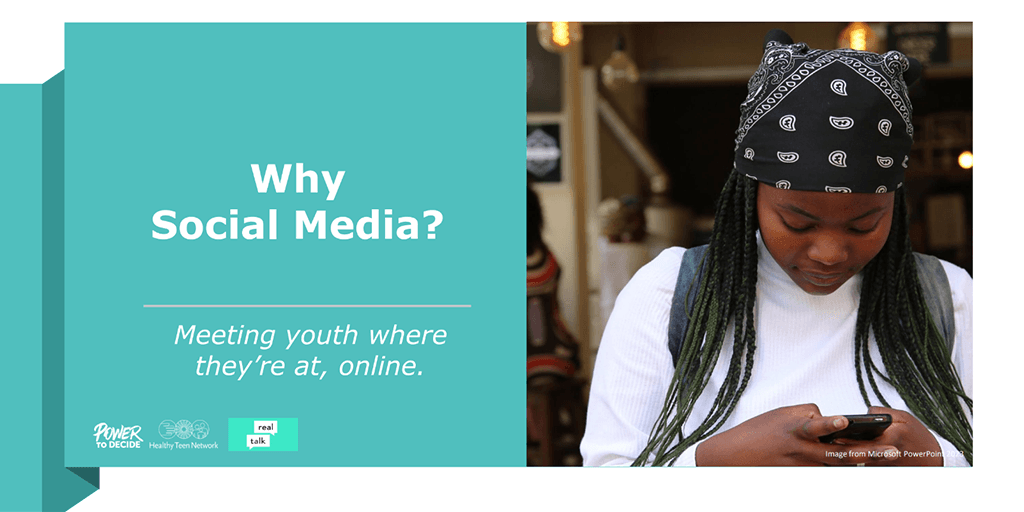
The rate at which young people receive formal sex education is at its lowest point in decades. Today’s youth need innovative tools that provide foundational knowledge and skills to avoid unintended pregnancy and sexually transmitted infections, but many experience significant barriers to accessing basic sexual and reproductive health information—let alone information that is responsive to their needs. One potential avenue for innovation in delivering sex education is the use of mobile apps.
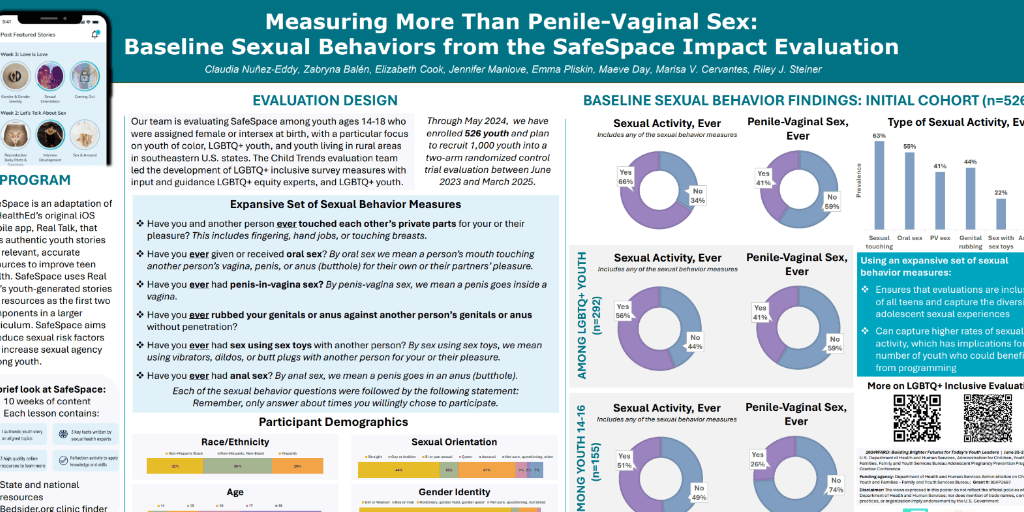
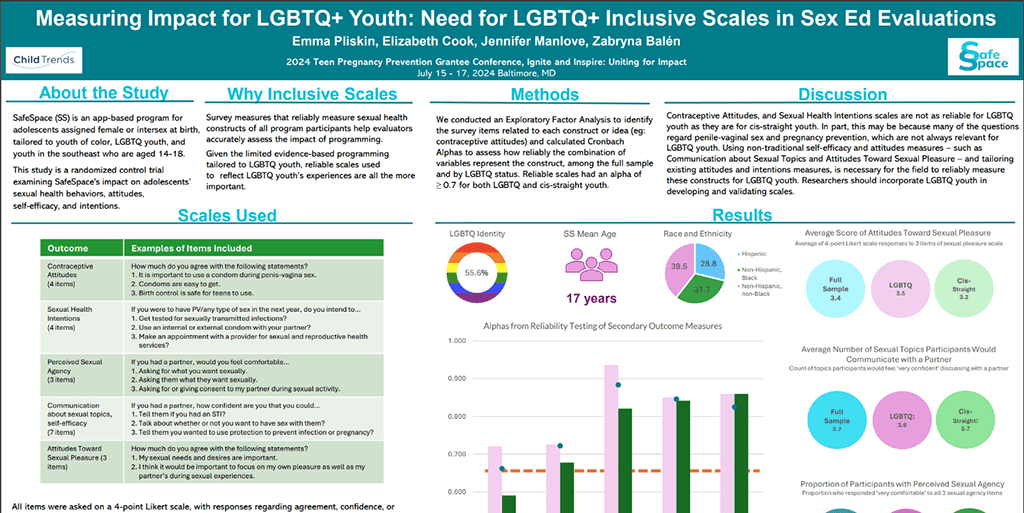
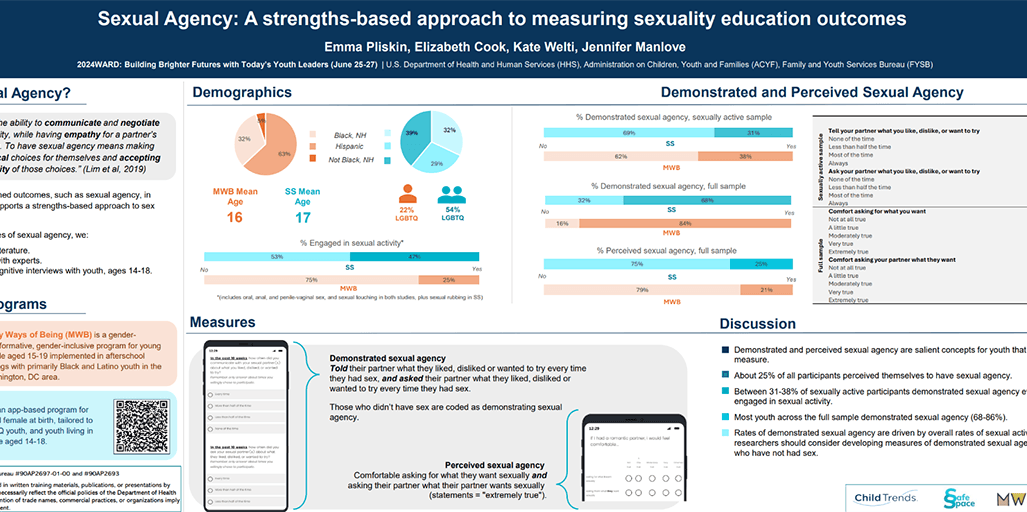
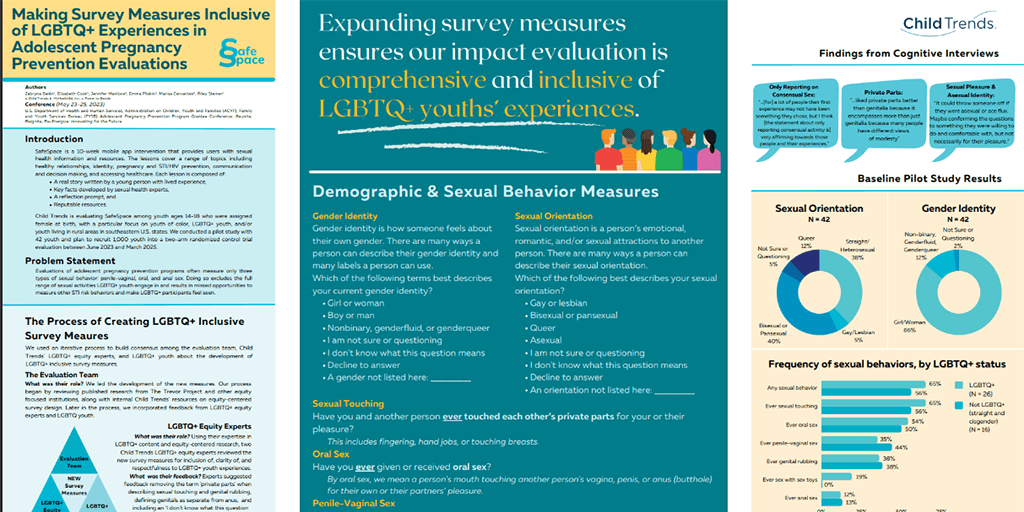
To determine the efficacy of a particular mobile sexual health education program, Child Trends, MyHealthEd, and Healthy Teen Network are conducting a five-year (2021-2026) randomized control trial evaluation of SafeSpace, an app-based sexual health intervention. Funding for this evaluation comes from the Family and Youth Services Bureau (FYSB) through the Personal Responsibility Education Innovation Strategies (PREIS) program.
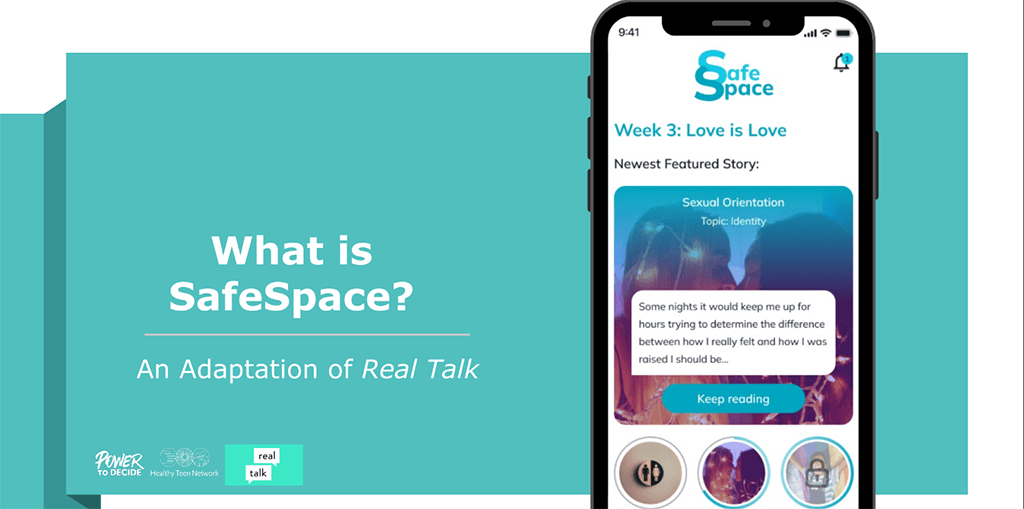
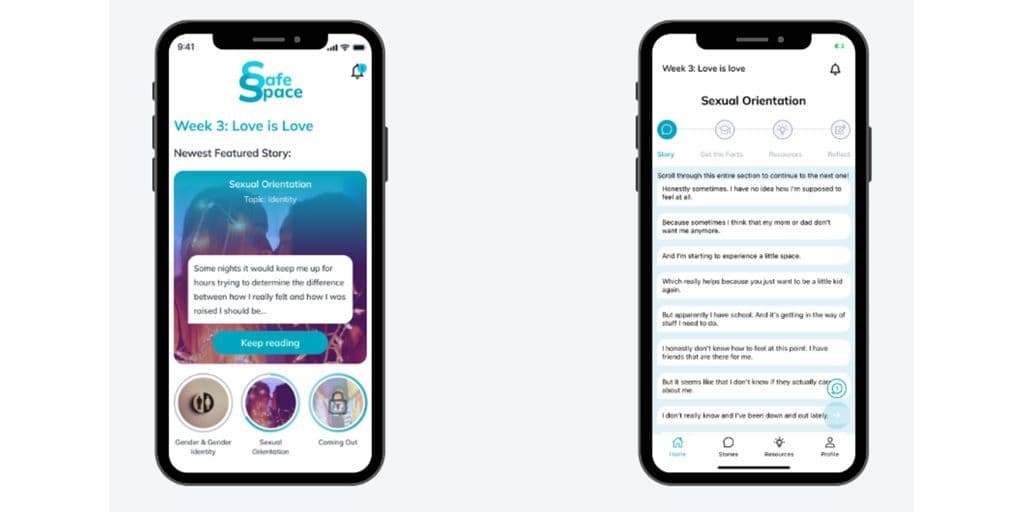
SafeSpace is a 10-week program delivered via a mobile application adapted from Real Talk by MyHealthEd. The SafeSpace developers designed the program to provide youth a secure space to share personal stories and build health literacy. Users receive lessons several times per week that center around real youth stories about a range of topics, such as healthy relationships and accessing health care. Users are encouraged to complete a short reflection and to check out the resources provided at the end of each lesson. The information and resources provided through SafeSpace are intended to 1) illustrate positive health decision making, 2) correct misconceptions about adolescent sexual behavior, 3) provide evidence of peer approval for healthy decision making, 4) promote communication with parents, and 5) provide teens with opportunities to build communication skills around these topics.
As the evaluator, Child Trends is measuring the impact of receiving the SafeSpace program on several behavioral outcomes, such as:
The study has enrolled over 1,000 young people ages 14-18.
To complete this goal, Child Trends, MyHealthEd, and Healthy Teen Network are conducting the following study activities:
Evaluation leads
Implementation lead
Recruitment lead
Senior advisors
Evaluation and implementation support
Federal program officer